Bridging Gaps: Gender, Innovation, and Health: Sweden–Mexico Perspectives
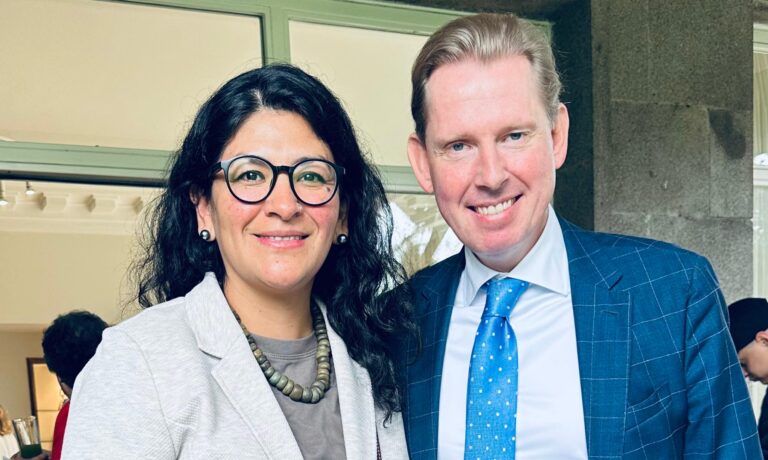
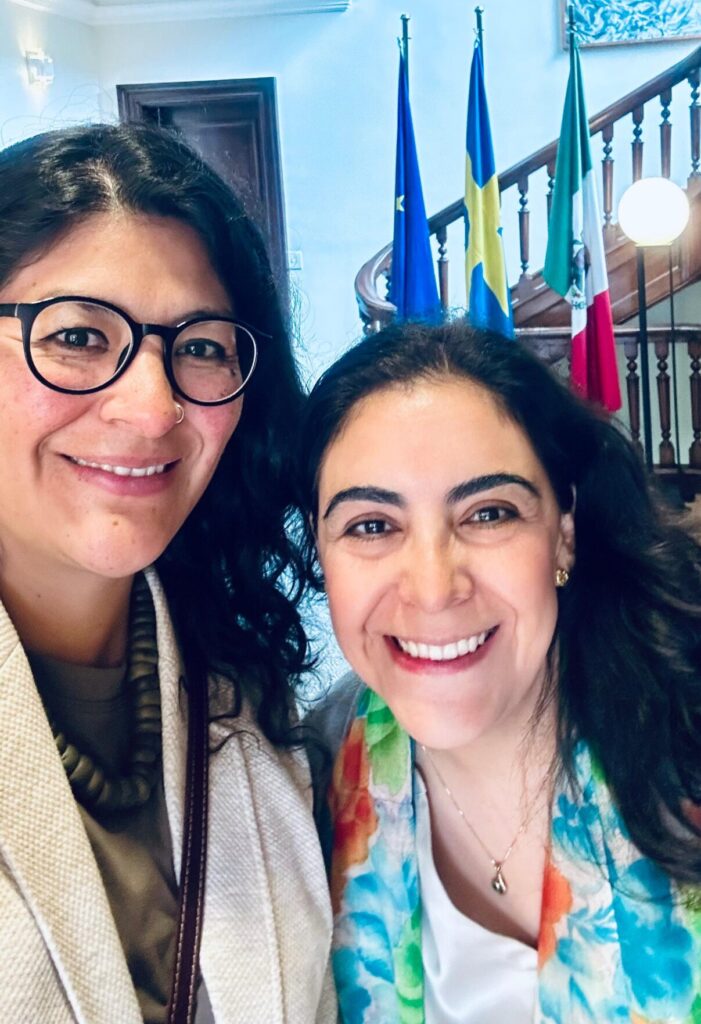
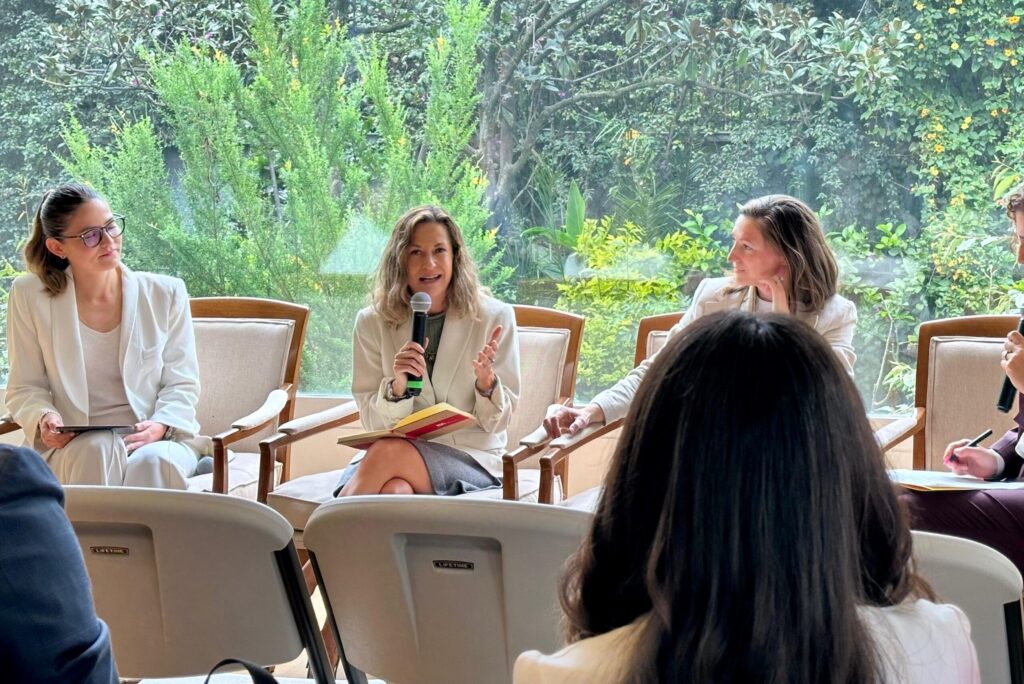
On October 8, an event focused on gender equity in the health sector was held at the Embassy of Sweden in Mexico, with the participation of prominent figures from academia and industry. In an atmosphere of open and forward-looking dialogue, participants explored the challenges and opportunities for advancing gender equity, clinical research, and international collaboration.
A Framework of Committed Diplomacy
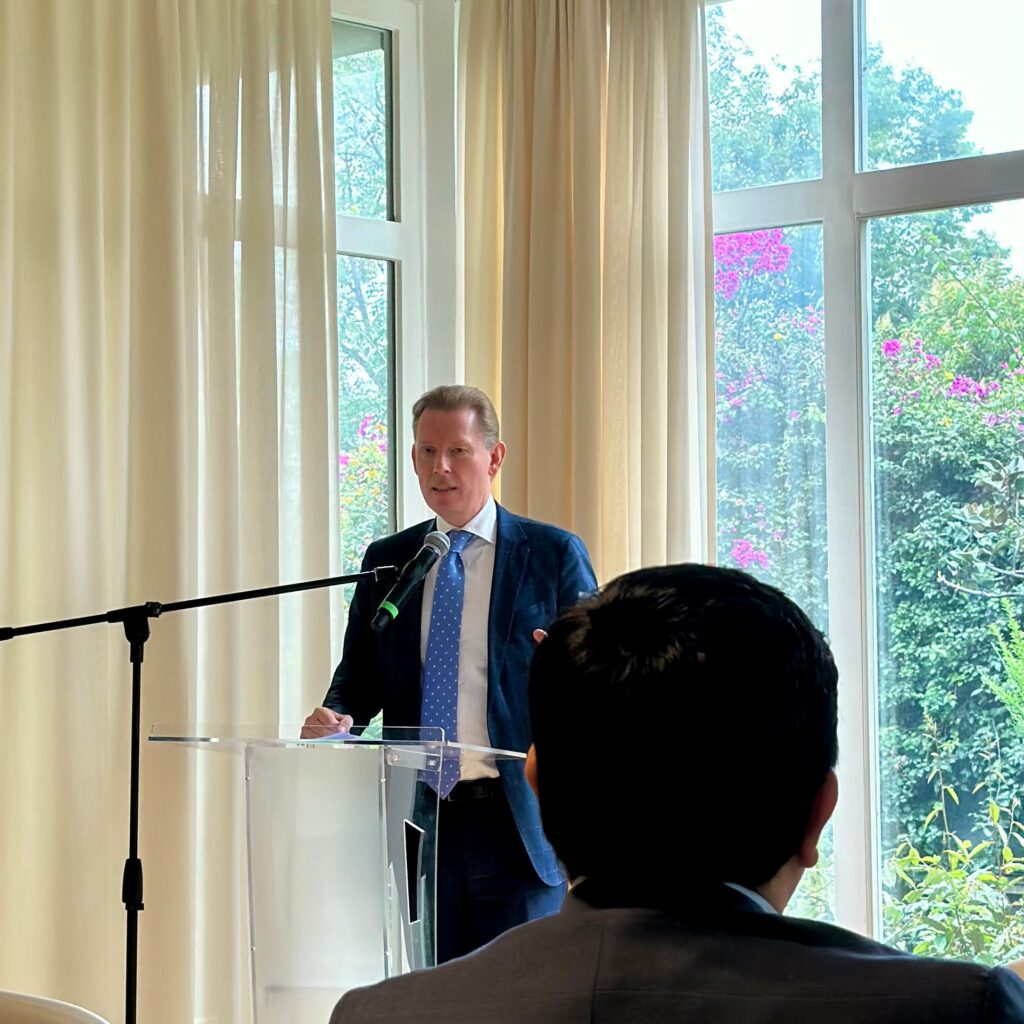
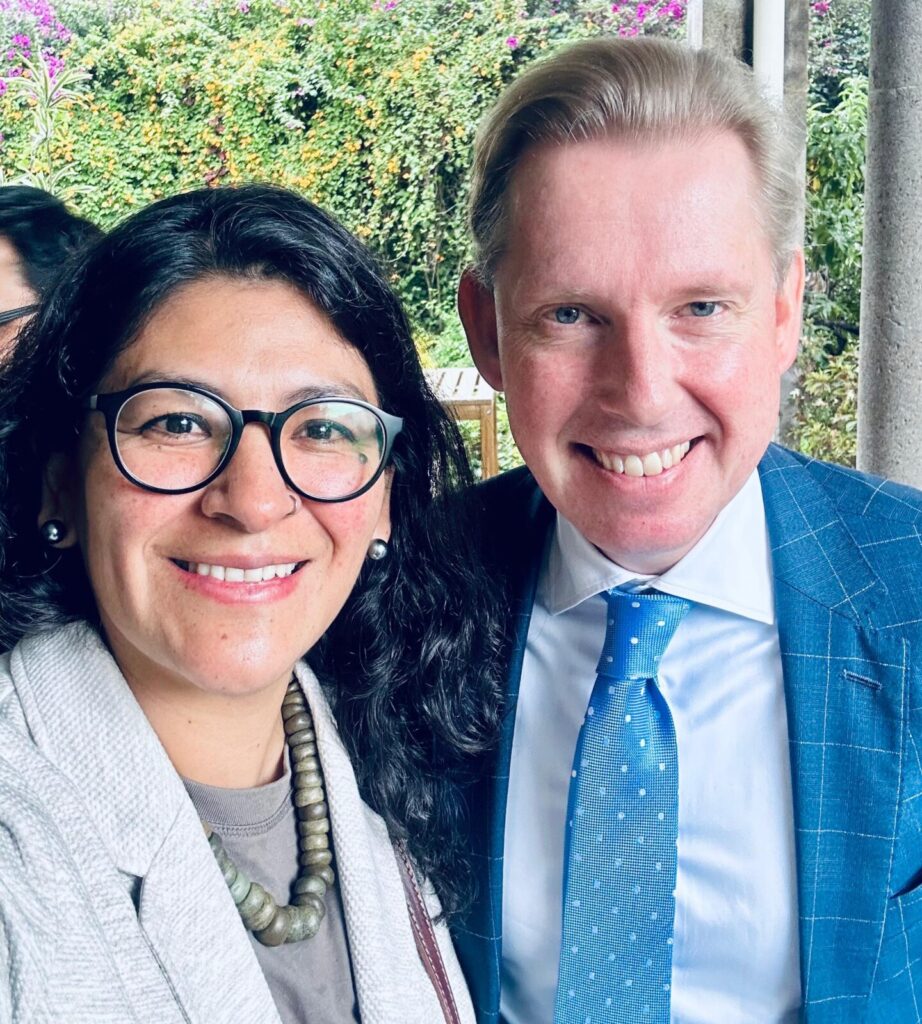
The opening of the event was led by the Ambassador of Sweden to Mexico, Gunnar Aldén, who underscored that Sweden is internationally recognized as a benchmark for gender equality policies. However, he also acknowledged that there is still work to be done, and that spaces such as this forum make it possible to discuss, question, and shape new strategies to move toward a more equitable society. The Ambassador reaffirmed Sweden’s commitment to building bridges of collaboration and mutual learning, especially on issues where a gender perspective and public health intersect.
Panelists
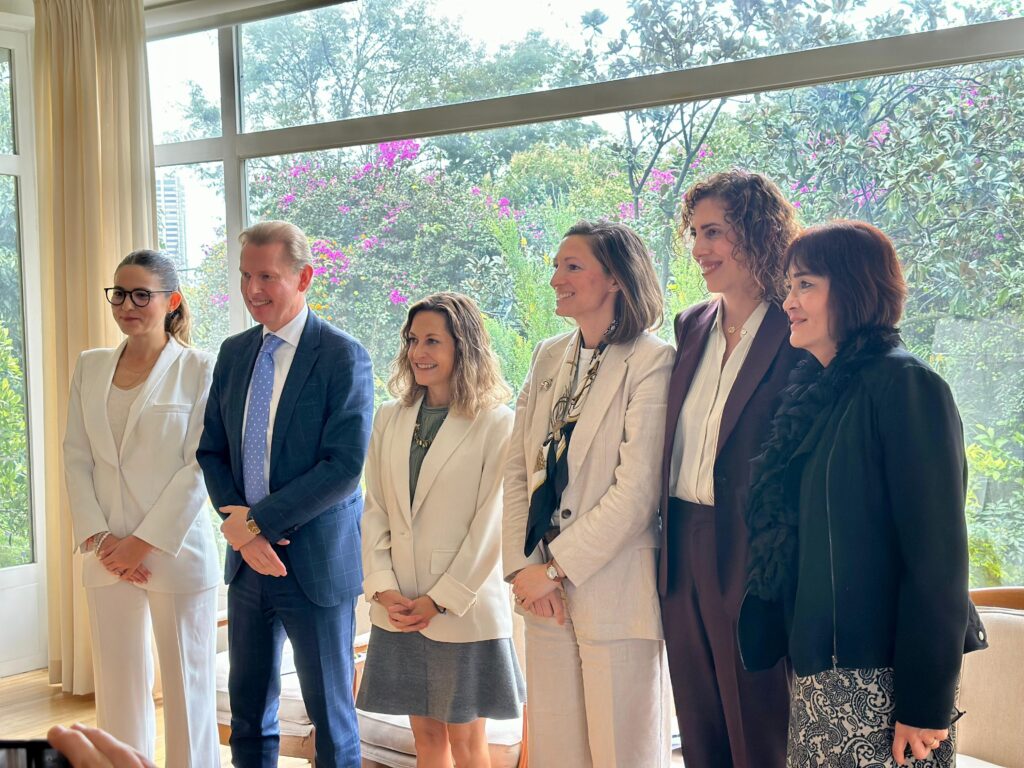
Among the speakers were Marike Gabrielsson, a researcher in breast cancer epidemiology at the Department of Biostatistics and Medical Epidemiology at the Karolinska Institutet (KI), an expert in breast cancer and precision medicine, who presented compelling data on gender inequalities in clinical trials, protocol design, and women’s participation in science; Elena Vargas, Legal Director of AstraZeneca Mexico, with previous experience at Siemens and Pfizer, who addressed internal gender equality policies in the pharmaceutical industry; and Nayeli Padilla Rocha, Sales Director of Elekta Mexico and Central America, who shared her experience linking technological innovation with oncology care.
Voices to Bridge the Gaps
Marike Gabrielsson highlighted that, although Sweden has a robust research infrastructure, female representation at certain levels remains limited (for example, at KI the percentage of women in leadership positions is not proportional to the available female talent). In the world of clinical trials, there is an overrepresentation of men in many protocols, which can lead to gender bias in clinical outcomes.
Elena Vargas emphasized that AstraZeneca follows international guidelines to ensure gender balance in protocols. In Mexico, the organization implements policies such as maternity leave, flexible working hours, and equitable pay. However, she underscored that changing deep-rooted structures requires intervention in public policy, culture, and regulatory design.
For her part, Nayeli Padilla noted that innovation in oncology is also innovation in gender: medical systems are often designed for “standard” male patients, and women face social, cultural, and resource-related barriers to timely diagnosis.
Commitment from Academia
The event also included the participation of Melissa Islas, Head of Academic Mobility and International Outreach at the UNAM Faculty of Medicine, who shared that the institution promotes programs such as Global Mentorship Programming and Adopt a Community, aimed at fostering inclusion and access to healthcare.
She also highlighted that the Faculty is open to dialogue with industry to advance projects aligned with national health priorities. Finally, she underscored that in 2024 the Faculty made history with the appointment of its first female director, Dr. Ana Carolina Sepúlveda, after 386 years of existence, reflecting a growing commitment to gender equity from the academic sphere.
The Quadruple Helix Proposal
During my remarks, I suggested that Mexico and Sweden can complement each other if we think in terms of the quadruple helix: policy, academia/science, industry, and society. Sweden offers infrastructure, methodologies, and human capital. Mexico contributes its large patient population, clinical diversity, and also professional capital.
For example, we could consider developing a biobank of breast cancer patients in Mexico, with well-characterized samples, and share analyses with Swedish laboratories. Or even co-design multicenter clinical trials: Mexico providing the patient base, Sweden contributing expertise in design, analysis, and regulation, with industry acting as a catalyst.
However, for these ideas to move beyond ideals, I proposed “looking at the characteristics of each country” to bring projects down to earth: identifying which capabilities already exist, which gaps remain, prioritizing feasible steps, and starting with “small, scalable projects.” This approach was very well received.
In closing, the Ambassador publicly acknowledged my remarks and the role of women researchers in dialogues on science and diplomacy, which was a strong encouragement to continue building bridges.
Challenges and Opportunities
Mexico faces structural barriers: a lack of costly infrastructure, limited funding, cultural gender inequality (machismo and domestic responsibilities), segmentation of the healthcare system, and a lack of regulatory harmonization for international research.
However, it also has strengths: a large patient population, clinical diversity, committed researchers, and a growing institutional interest in global collaboration.
The next steps could include:
- Identifying joint research priorities (breast cancer, other female-specific cancers).
- Designing Mexico–Sweden consortia in which each partner has clear roles and meaningful contributions.
- Pursuing joint funding (international funds, bilateral calls for proposals).
- Creating shared governance, ethics, data management, and regulatory mechanisms.
- Training young researchers with a binational perspective and a gender-focused approach.
Conclusion: From Inspiration to Action
The event demonstrated that gender in health is not merely rhetoric, but an urgent issue with scientific, clinical, political, and social implications. Mexico–Sweden synergies are beginning to take shape, and my hope is that we do not stop at ideas: we can move quickly toward prototypes and results. We invite institutions, women scientists, decision-makers, and all relevant stakeholders to join this bridge of scientific collaboration with a gender-focused perspective.